Challenge
Picture a venue with tens of thousands of people, packed with guests from 140 countries all speaking different languages. The hard part wasn't raw speed — it was smoothness. The moment the network stutters, the translation lags or cuts out, and to the person in the room that feels exactly like losing signal, which is the last thing you want during the convention's live AI translation.
Solution
As the convention's network technology partner, KlickKlack paired Chunghwa Telecom's high-speed infrastructure — they were the official telecom provider — with nearly 1,000 wireless access points across the four venues. On top of that, we gave the real-time AI translation its own dedicated lane and a backup path, and kept engineers on site watching it live the whole time.
Results
Across four venues with tens of thousands of people showing up at once, the real-time AI translation, live streaming and connectivity got through to everyone — so guests from 140 countries could just forget the network was there and get on with the largest international association convention Taiwan has ever hosted.
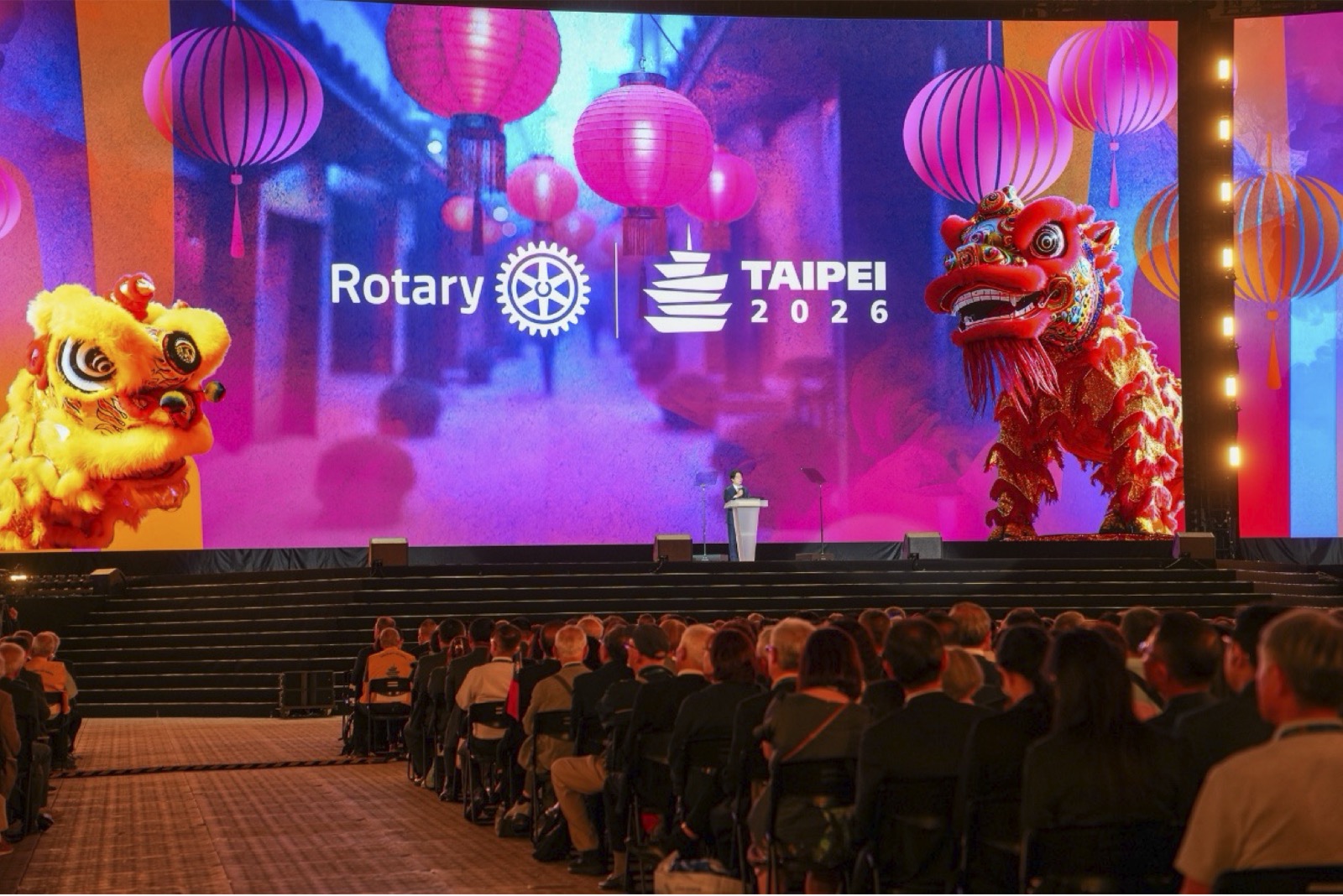
The 2026 Rotary International Convention in Taipei.
The 2026 Rotary International Convention ran in Taipei from 13 to 17 June, bringing together more than 37,000 Rotary members and international guests from over 140 countries. It was the second time Taipei has hosted the convention since the city first did so in 1994 — and one of the largest international association conventions Taiwan has ever held.
This year's theme was "Planting Peace, Growing Hope," and for tens of thousands of attendees who don't share a language, the whole point was simple: understand each other, and stay connected to the world. Taiwanese startup KlickKlack Communications came on board as the convention's network technology partner. Teaming up with Chunghwa Telecom — the official telecom provider — KlickKlack built the wireless network across four major venues, including the Taipei Dome, Taipei Nangang Exhibition Center (TaiNEX) and Sheraton Grand Taipei Hotel, and delivered the stable connection that the convention's real-time AI translation ran on.
However smart the AI is, it still needs a network that won't drop
Picture a venue with tens of thousands of people, filled with guests from 140 countries all speaking different languages. The hard part was never really speed — it was smoothness. Since 2017, KlickKlack has run thousands of large-scale, zero-margin-for-error, real-time events, and we've learned that the lag or drop from even a momentary network stutter feels, to the person sitting in the room, exactly like losing signal.
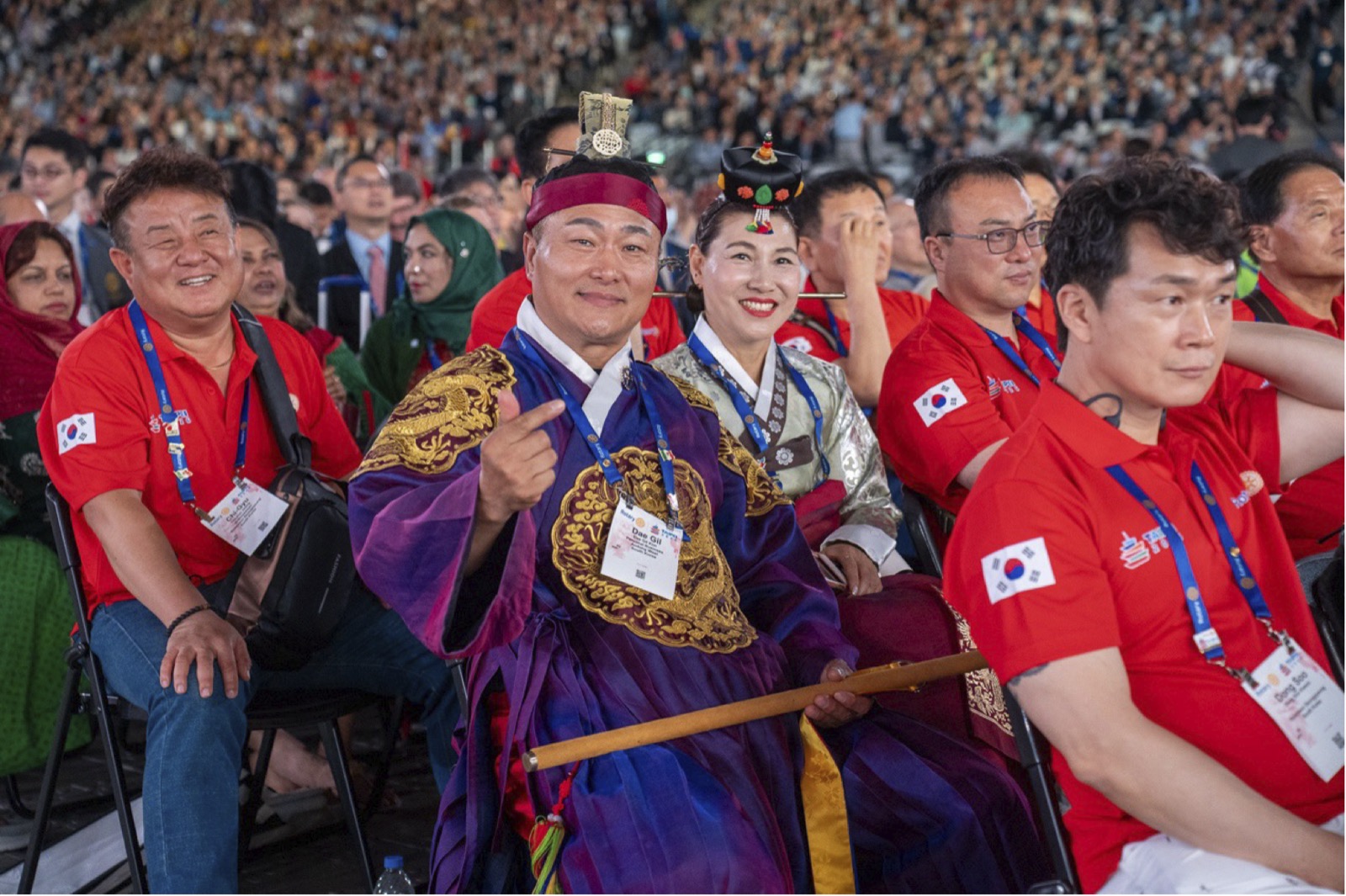
The convention drew more than 20,000 overseas guests from over 140 countries to Taipei.
So KlickKlack put nearly 1,000 wireless access points (APs) across the four venues. Building on Chunghwa Telecom's national-grade broadband and core network, we gave the real-time AI translation its own dedicated lane and a backup path — so even with tens of thousands of people showing up at once, the translation kept getting through to everyone.
From esports broadcasts to an international convention — the same "it can't drop" discipline
KlickKlack has built broadcast-grade event networks before, for big esports tournaments and international product launches. We think of ourselves as "the IT team on the event floor," and we run the same tight playbook every time: survey the venue up front, stress-test it, plan the architecture, then tie together the telecom carriers, the venue and every equipment vendor, with engineers on site watching it live all day. The whole point is to make the network disappear — so the event itself feels a notch better.
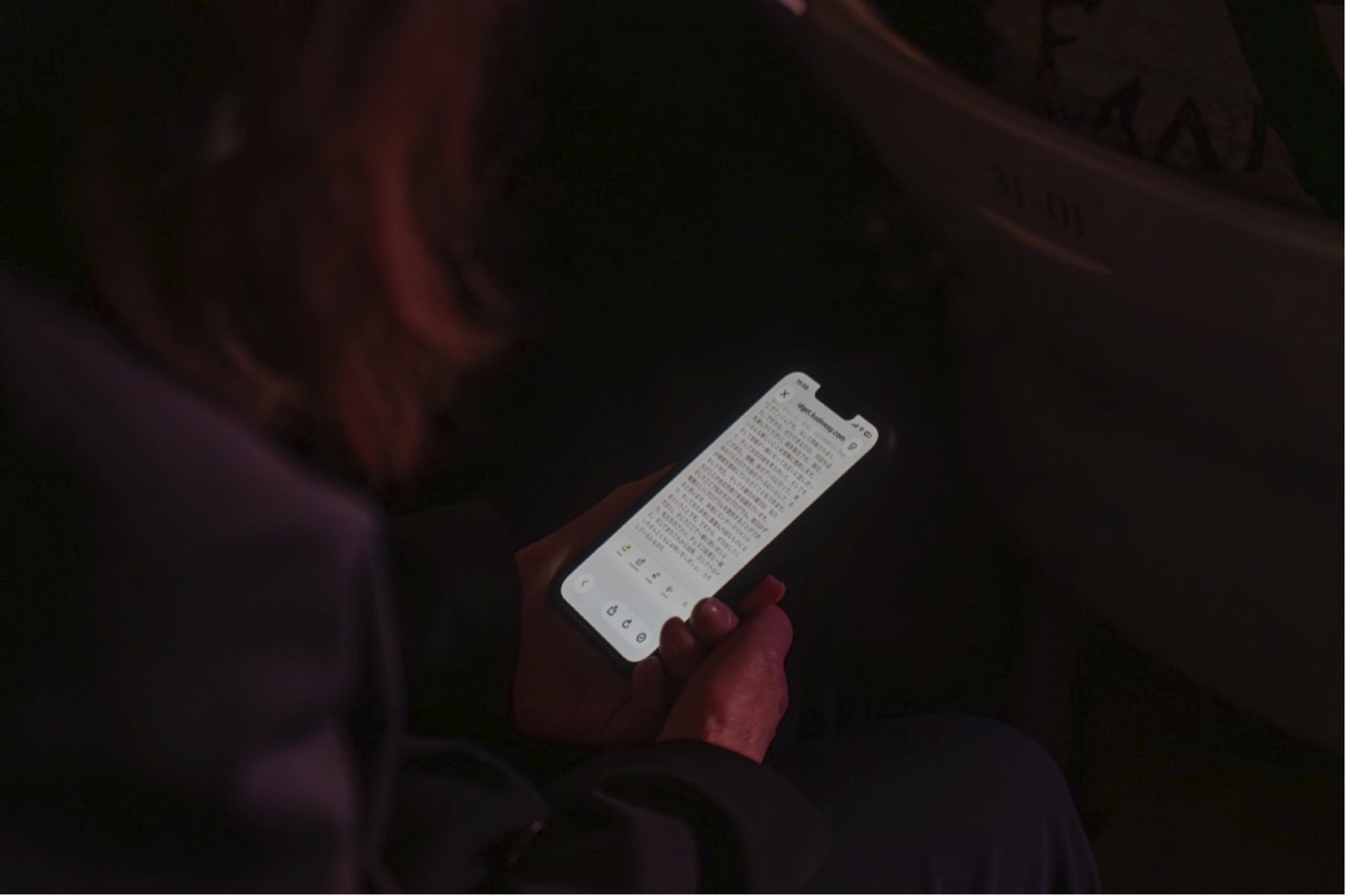
An attendee follows the on-stage speech through real-time AI translation.
"The best network is the one nobody ever has to think about," said KlickKlack CEO Mouse Kuo. "We wanted the real-time translation, the live streams and the connections at this convention to be so smooth that the guests from 140 countries just forget the network is even there."
Built on Chunghwa Telecom's high-speed broadband and core network, and through close teamwork with the official telecom provider, KlickKlack pulled off a highly reliable wireless network and AI translation setup that tens of thousands of people could lean on at the same time — so guests from all over the world got a smooth, hassle-free experience.